
Why Medieval People Used Tapestries to Stay Warm — and Why We Use Them to Heal
, Von heartcraft , 3 min Lesezeit
, Von heartcraft , 3 min Lesezeit
Is your home feeling a little "cold" lately? Discover how a single piece of woven history can transform your space from a rental into a retreat.
In the drafty, stone-walled chambers of a 14th-century chateau, a tapestry wasn’t just a luxury; it was a survival tool.
Those magnificent, hand-woven landscapes were the original home insulation—massive, tactile barriers designed to trap heat and keep the biting winter chill at bay. But today, in our climate-controlled apartments with double-paned windows and smart thermostats, we are seeing a massive resurgence of the tapestry.
The physical chill might be gone, but we are facing a different kind of "cold": the sterile, digital, and often "hollow" feeling of modern urban living. We no longer need tapestries to warm our skin—we need them to heal our homes.

In the Medieval era, stone was the enemy of comfort. It was cold, damp, and echoed every sound. Tapestries acted as "mobile walls." They softened the hard edges of the castle, dampened the noise of clanging armor, and turned a cold fortress into a lived-in home.
When a nobleman moved from one castle to another, the tapestries were the first things rolled up and loaded onto the carts. They were the world’s first "portable sanctuaries."
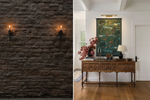
Fast forward to 2026. Most of us live in "white boxes." Whether it’s a high-rise in Chicago or a converted loft in Brooklyn, modern apartments often suffer from aesthetic coldness. * Visual Warmth: Hardwood and drywall provide no visual "grip." A tapestry like the one pictured above (our Forest Animal Landscape) introduces a thousand years of history and an organic color palette that a flat coat of paint simply cannot replicate.
The Power of 'Verdure': There is a reason medieval designs focused so heavily on "Verdure" (the lush depiction of greenery). Science now tells us what they knew instinctively: being surrounded by nature—even in woven form—lowers cortisol levels. It provides a "visual escape" from the concrete jungle outside our windows.

In an era where we spend 90% of our day touching glass screens and plastic keyboards, our brains are starving for texture. The act of hanging a textile—something that moves slightly with the air in the room, something that has a visible "weave" and weight—grounds us. It absorbs the frantic energy (and the literal echoes) of a busy day. When you look at a lion resting by a stream or a stag leaping through the woods, you aren't just looking at "art." You are reconnecting with a slower, more deliberate version of humanity. You are inviting the soul of the forest to sit with you.

Just like the medieval lords who rolled up their tapestries to bring warmth to their next destination, today’s apartment dwellers use tapestries as portable legacies. The biggest pain point of renting? You don’t own the walls. You can’t paint them, and you certainly can’t knock them down. But with a tapestry, you own the atmosphere. It’s a statement piece that fits in a moving box. It tells the world: “Wherever I go, I bring my history, my peace, and my sanctuary with me.”
Is your home feeling a little "cold" lately? Discover how a single piece of woven history can transform your space from a rental into a retreat.



$128.29 - $208.21


$158.06 - $198.24


$158.69 - $208.69


$96.28 - $125.68


